Brain Boosters


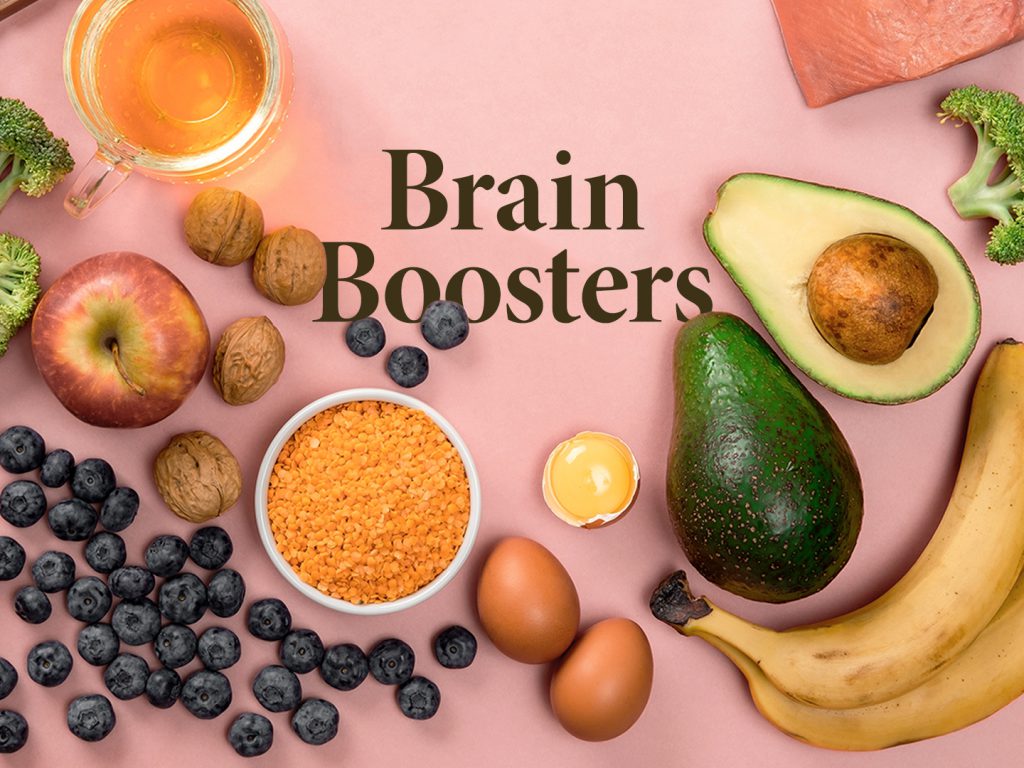
Nobody has ever fixed the way they eat over a single weekend. The foods that do the most for how you think and feel work on a slow schedule, across weeks, and they only work if you keep eating them. A few small changes, repeated until they stop feeling like changes, are what hold.
It also helps to know that the brain is not running things independently from the rest of your body. It’s always checking in with the rest of your body, the gut most of all, and is why it’s important to give it the nutrients it needs.
Greens, Berries, and Chocolate
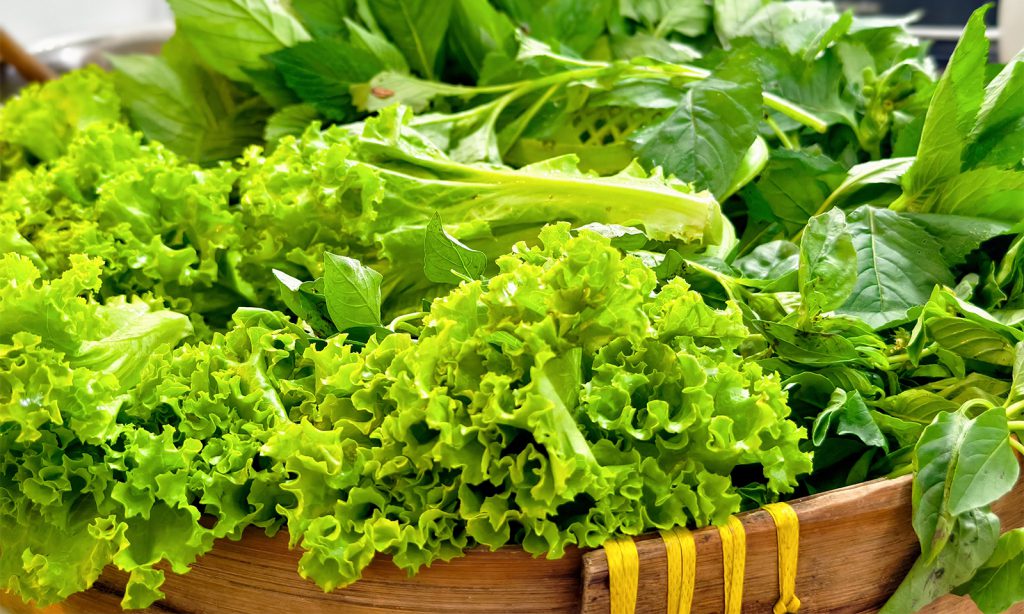
Leafy greens are the reliable starting point. Kale, spinach, and broccoli are dense with folate and vitamin K, nutrients the body draws on constantly for cell maintenance and repair. Spinach wilts into eggs or a pan of hot garlic oil in about ninety seconds. Broccoli wants a hot oven and a little char at the edges, which is also the version people actually finish.
Berries bring anthocyanins, the compounds behind that deep blue and red pigment. They act as antioxidants, which is a way of saying they mop up the damage that normal living leaves behind in your cells.
Dark chocolate is unusually rich in flavanols, which help widen blood vessels and improve circulation. More blood reaching the brain means more oxygen and fuel for your mind. Look for a higher cacao percentage and a short ingredient list. (You don’t need to feel guilty having a square after lunch.)
Omega-3s
Omega-3 fatty acids are part of what the body uses to build and maintain nerve cells, which is why they come up in nearly every conversation about diet and cognition. They are not something the body can make on its own, so they have to arrive on a plate; salmon and sardines are the most direct source.
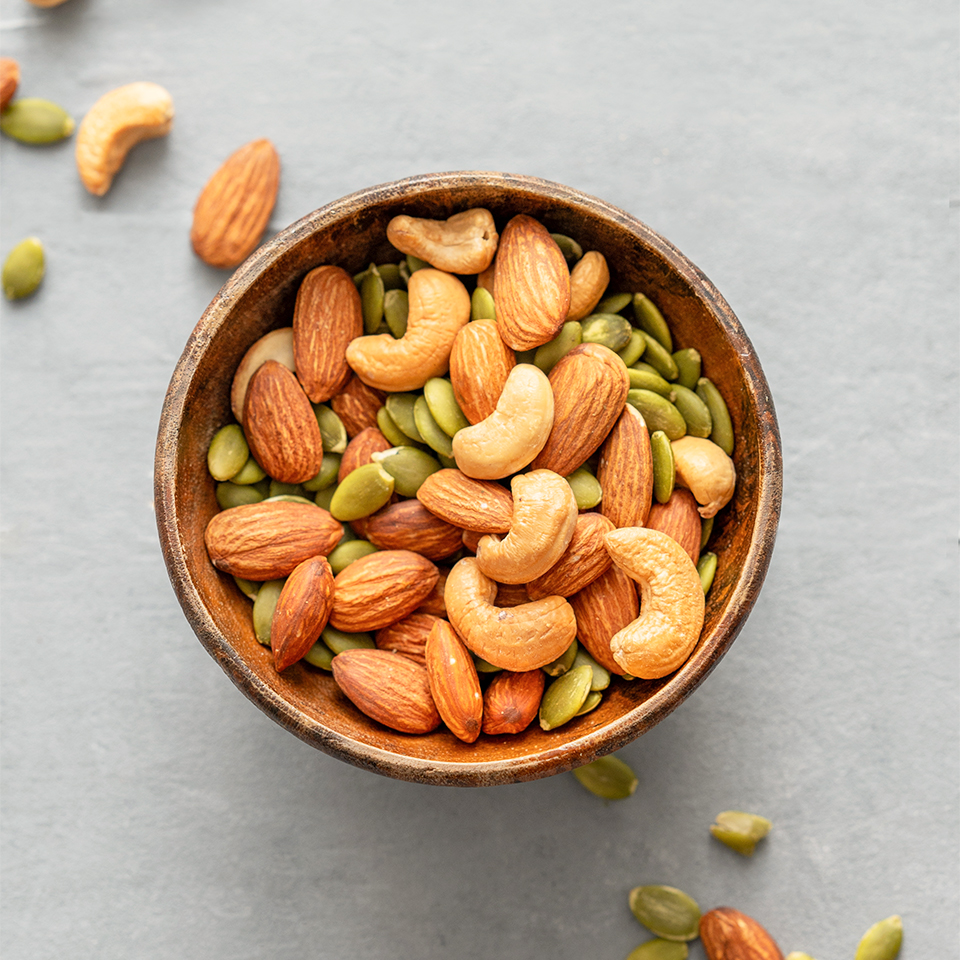
Nuts and seeds like flax and chia, or even pumpkin seeds are a great plant-based omega-3. Best of all, they’re easy to add to your next bowl of oatmeal or yogurt.
Grains
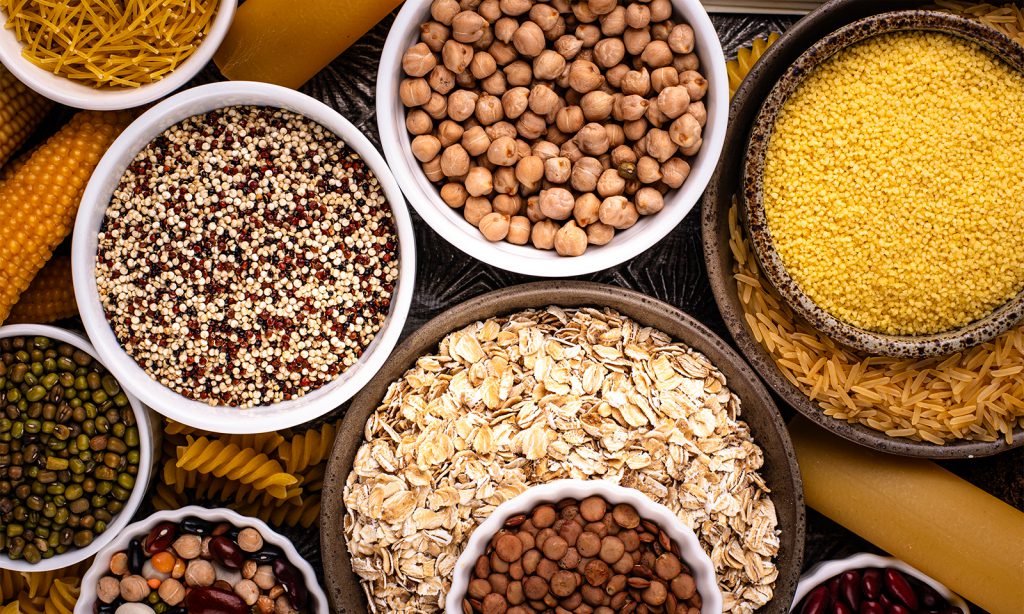
Brain cells run almost entirely on glucose and have nowhere to store it, so the supply has to keep arriving through the bloodstream. Whole grains release that fuel gradually instead of dumping it all at once. Whole grains like oats, brown rice, farro, and barley digest slowly, which smooths out the delivery of glucose. Beans and lentils do the same, and they contain plenty of fiber!
The bacteria in your gut digest the fiber you eat, and what they produce in the process travels through your bloodstream and reaches your brain. There’s also a nerve running between the gut and the brain that carries signals in both directions, almost like a physical cable connecting the two. Those same gut bacteria help make serotonin, most of which is produced down there rather than up in your head. Researchers are still sorting out what all of this adds up to, but the wiring itself isn’t in question. Feed the bacteria and you’re helping nourish the entire system.
The good news about all these small steps is that none of them require a new pantry. Tomorrow morning, tip a spoonful of chia into your yogurt and drop a handful of blueberries on top. Small steps over time will make a big difference in the long-run.
How To Add Farm Stand Products to Your Delivery
Full Circle members: Head on over to our online Farm Stand Market to customize your upcoming delivery. Market is open from noon on Thursday until 6 p.m. on your cutoff date. After you confirm your produce items, click the orange button “Confirm and Continue To Other Farm Products” to add farm products to your delivery.
Not part of our farm family? Find out if we deliver to your neighborhood.


Leave a Reply