Durst Organic Growers


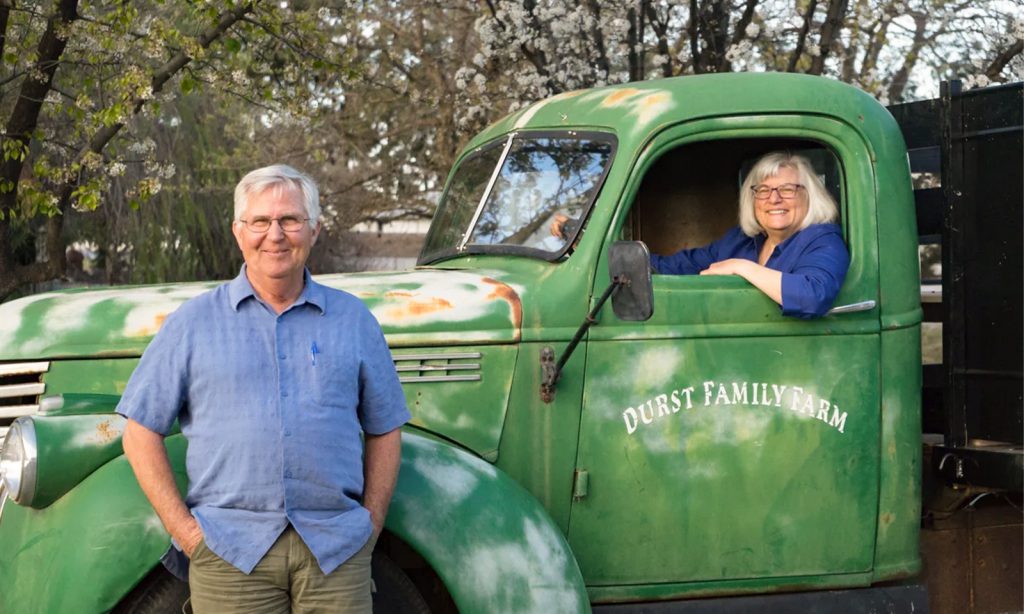
Jim Durst will tell you that good vegetables begin underground. Feed the soil, he likes to say, and it will feed the plants. Jim came to that idea early, falling for organic farming as a young man and going on to help spark the sustainable farming movement that took root across the Capay Valley.
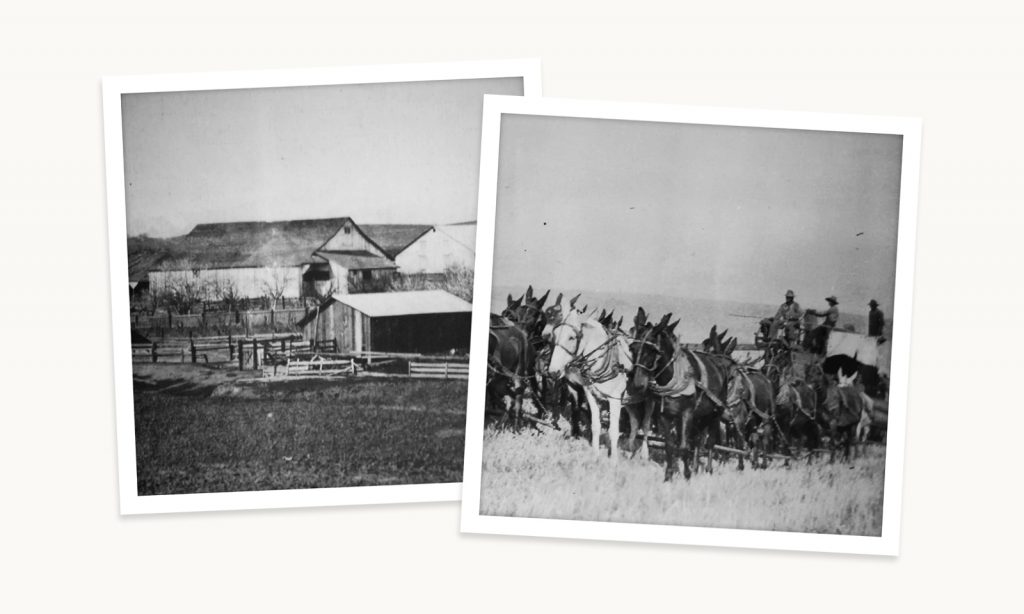
The Durst family has worked this corner of Yolo County since the late 1800s, though for three generations that meant large-scale commodity crops. Jim and his wife, Deborah, decided to do things differently. They planted their first organic crop, a field of processing tomatoes, in 1988. Within a year they were trucking fresh organic tomatoes into Bay Area markets. Asparagus joined the rotation in 1997, and by 2000 they had set aside processing tomatoes altogether to concentrate on the fresh heirlooms and cherry varieties they are known for today.
Their farm sits at the gateway of the Capay Valley, a stretch northwest of Sacramento where mild winters give way to hot summers. Jim’s rule has always been to grow what he likes to eat, and it shows. At the farm, you’ll find tomatoes in a small parade of shapes, from cherry medleys and grape to Roma and Early Girl. Alongside them grow sweet snap peas, yellow and red onions, and asparagus in both green and purple spears.
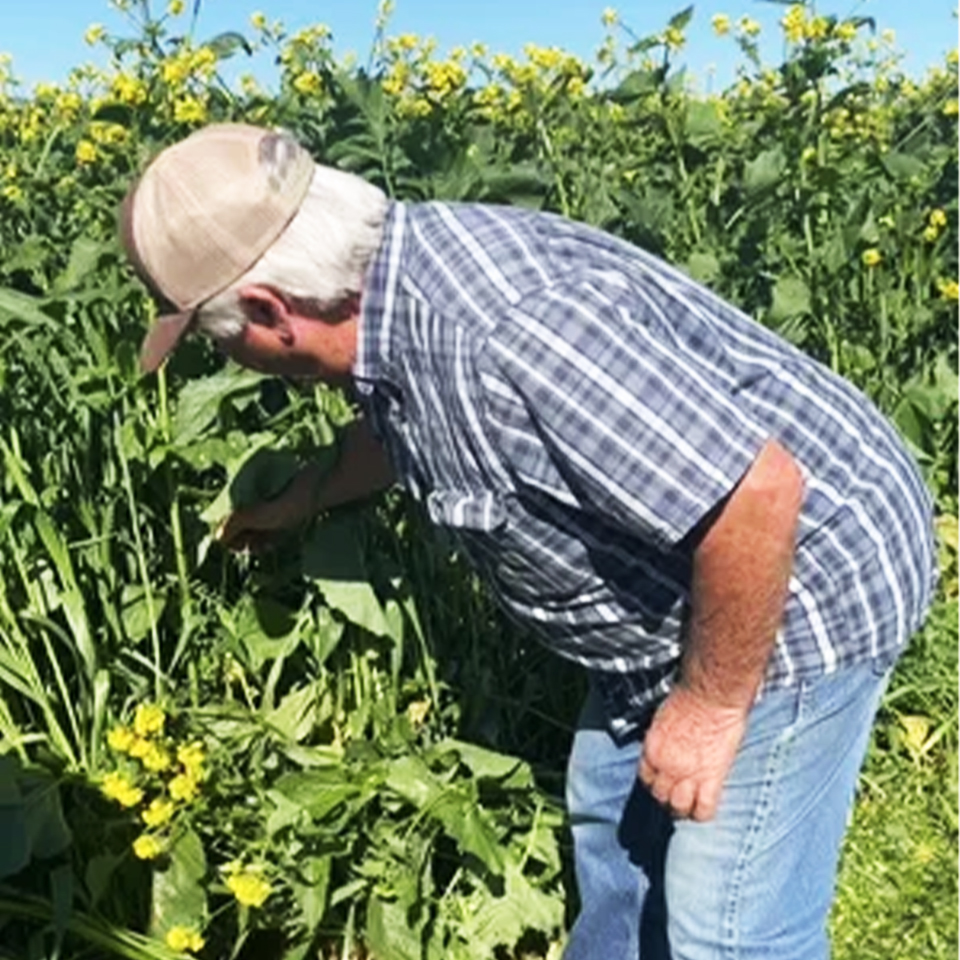
What holds all of it up is the ground itself. Jim disturbs the soil as little as he can, all to protect the fragile ecosystem just beneath the surface. When a field is resting, the Dursts plant cover crops of vetch (a sprawling legume with feathery leaves and purple flowers) and barley, then turn them back into the earth. After every harvest, whatever is left of the plants goes back into the ground as well. Giving a field a year off costs them a season of planting, but the reward arrives later in healthier plants and fuller harvests.
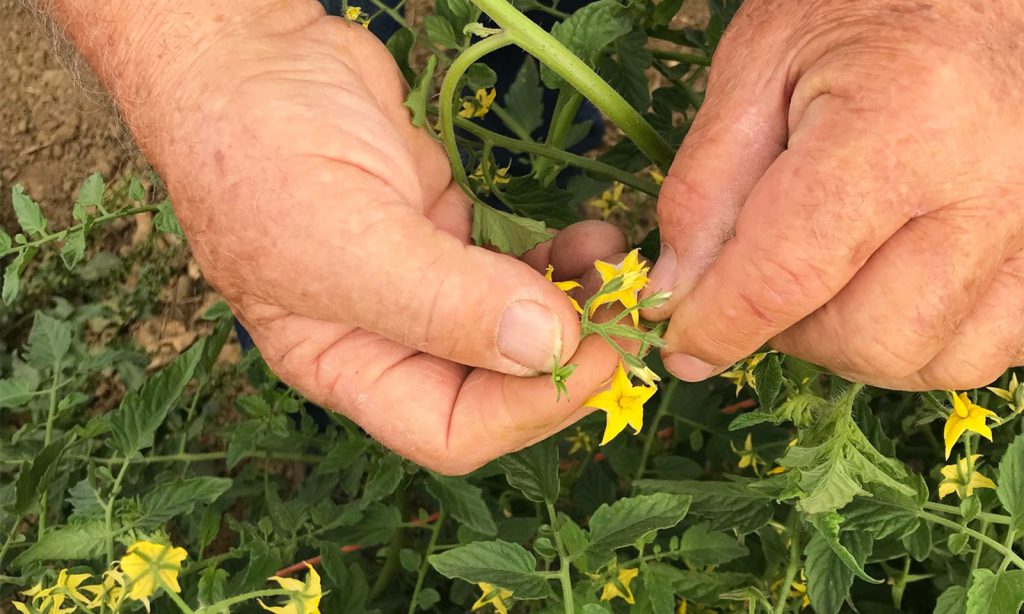
His approach to pests follows the same live-and-let-live logic. Instead of trying to wipe out every insect, the Dursts walk their fields daily and watch how things are balancing, then nudge that balance along with hedgerows, interplanting, and the occasional release of beneficial bugs like green lacewings and pirate bugs.
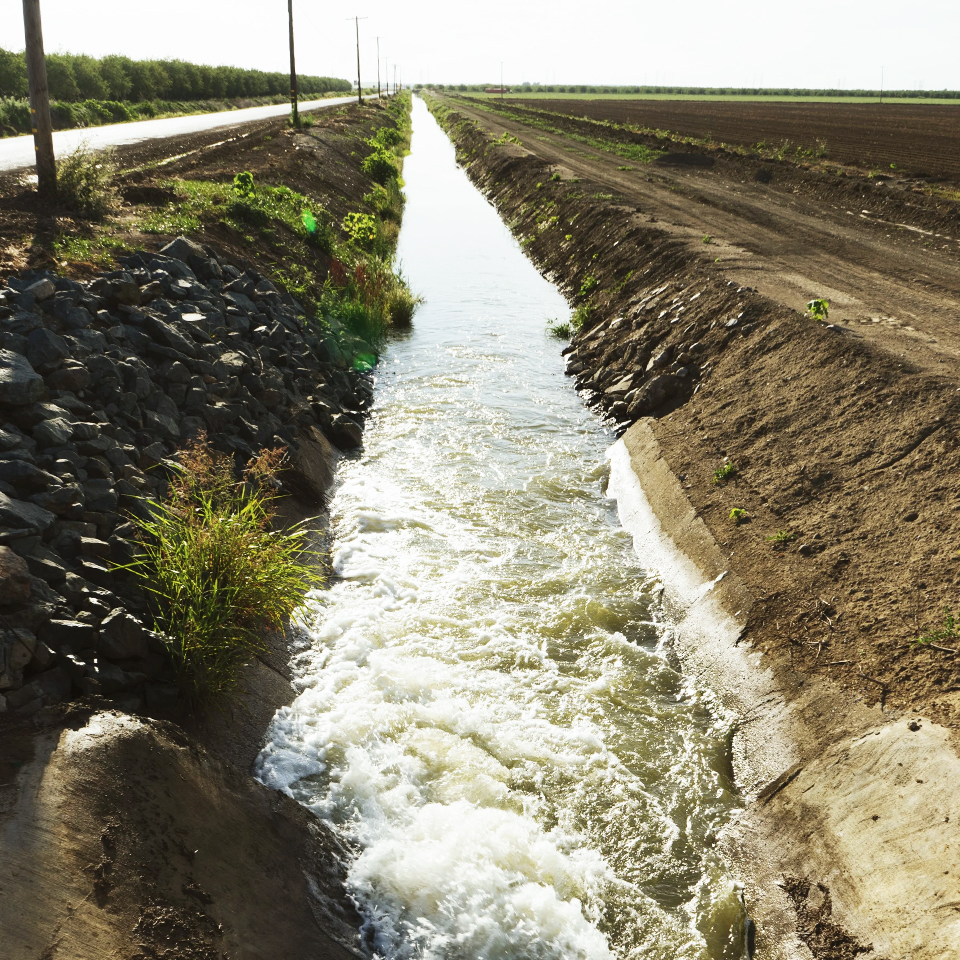
In a valley that bakes through the summer, water is a resource the Dursts guard closely. The farm switched to buried drip irrigation back in 1997, sending filtered water straight to the roots through tape laid below the soil, so almost nothing is lost to the dry valley air. The water comes from deep wells and from surface canals fed by Cache Creek, a mix that helps keep the local aquifer full.
For all that attention to the land, the Dursts are just as generous with the people on it. Their farm is one of only a handful in Yolo County chosen for a long-running University of California, Davis study comparing organic and conventional growing systems, and their soil practices have given researchers a window into how microbes and roots trade nutrients.
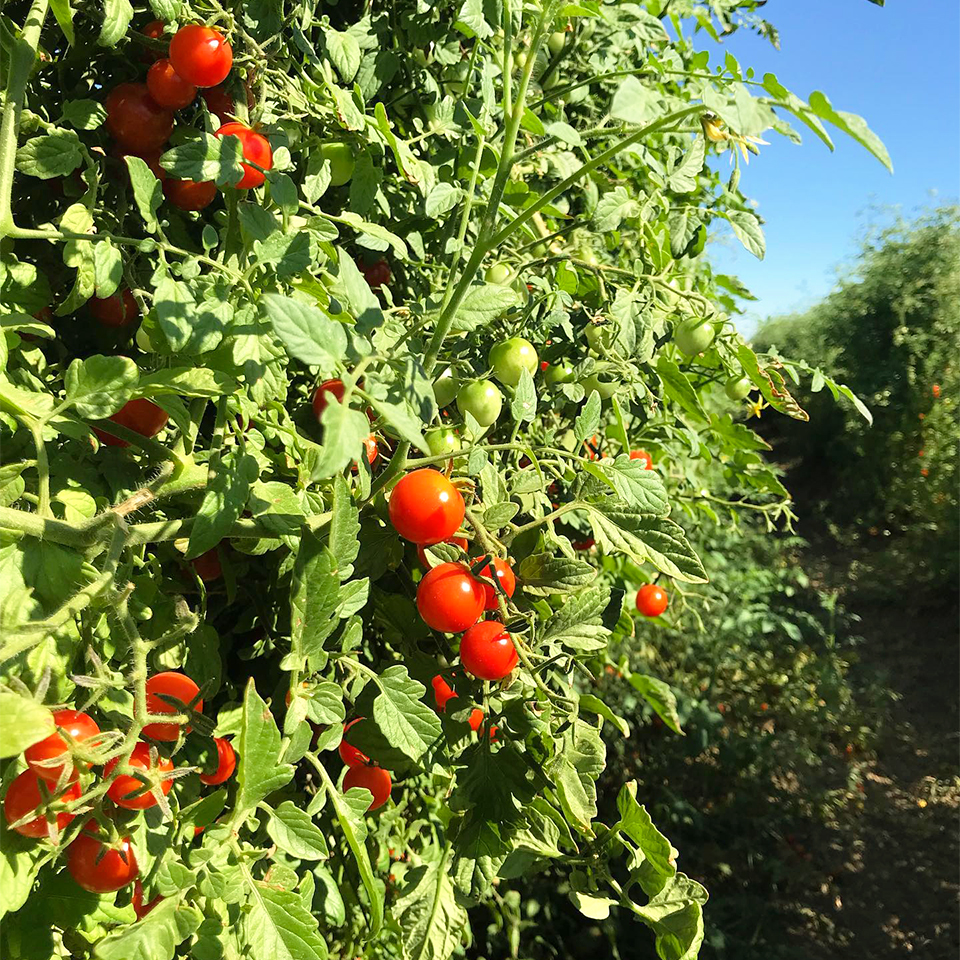
More than three decades in, the farm Jim and Deborah built still runs on the conviction he started with, that tending the soil and growing food worth eating are one and the same. Bite into one of their tomatoes at the height of summer and you taste exactly what he means. Feed the soil, and it feeds you right back. ⚘
How To Add Farm Stand Products to Your Delivery
Full Circle members: head on over to our online Farm Stand Market to customize your upcoming delivery. Market is open from noon on Thursday until 6 p.m. on your cutoff date. After you confirm your produce items, click the orange button “Confirm and Continue To Other Farm Products” to add farm products to your delivery.
Not part of our farm family? Find out if we deliver to your neighborhood.

Leave a Reply