Gourmet Mushrooms (Mycopia)


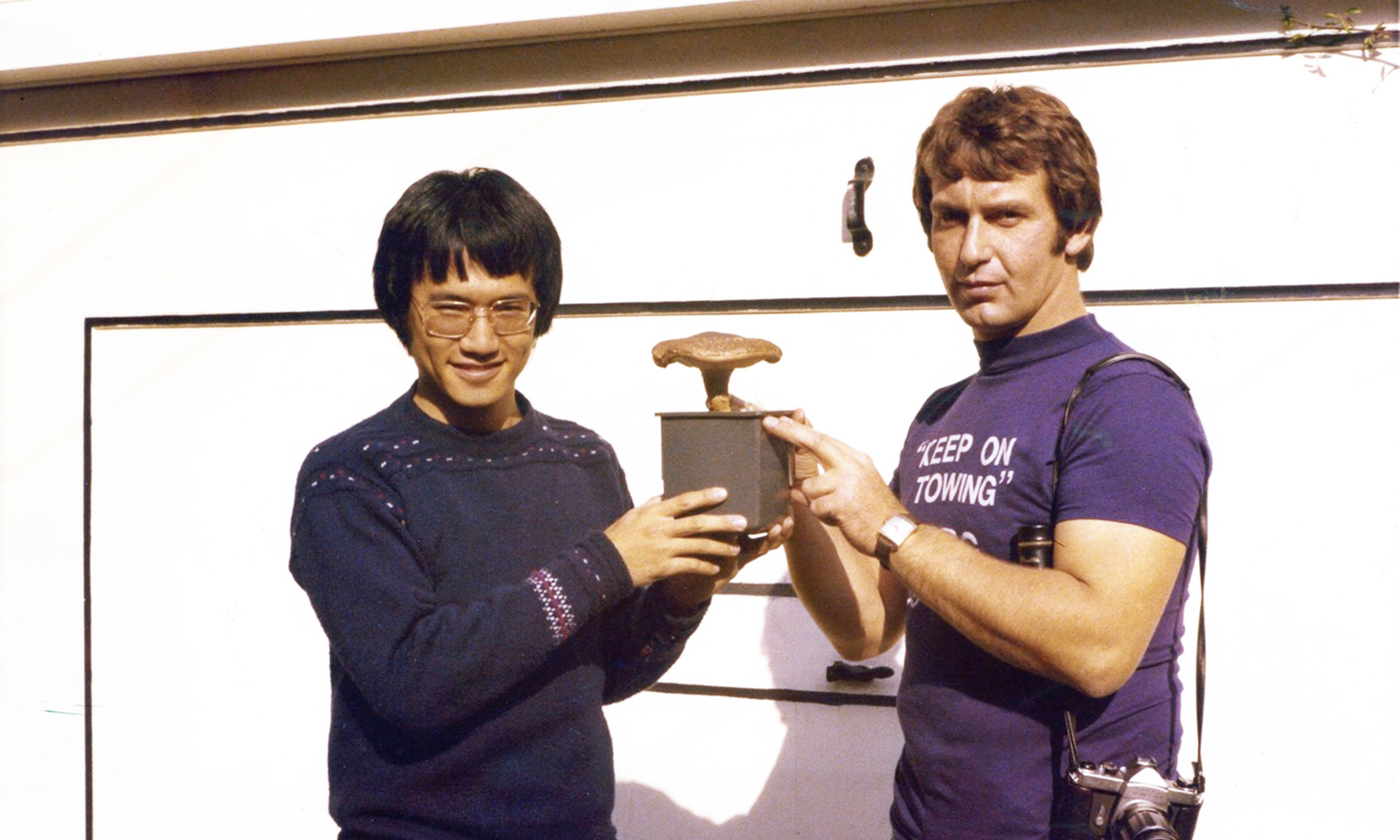
When they met in 1976, Malcolm Clark was running a biological laboratory in Toronto, and David Law was studying business at the University of Wisconsin. Neither of them knew much about farming, but they both saw an opportunity in mushrooms.
At the time, Americans mostly ate button mushrooms. Shiitake existed in Japanese cuisine and could be found dried in specialty stores, but fresh shiitake didn’t appear on restaurant menus or in grocery stores. The two knew they could change that.
They chose Sonoma County in California for its mild climate and proximity to San Francisco’s restaurant market. In 1977, they bought an abandoned farm and converted it into a mushroom cultivation facility. Gourmet Mushrooms became the first company to grow shiitake commercially in the United States. Their project was completely experimental, but it worked, and their timing was fortunate.
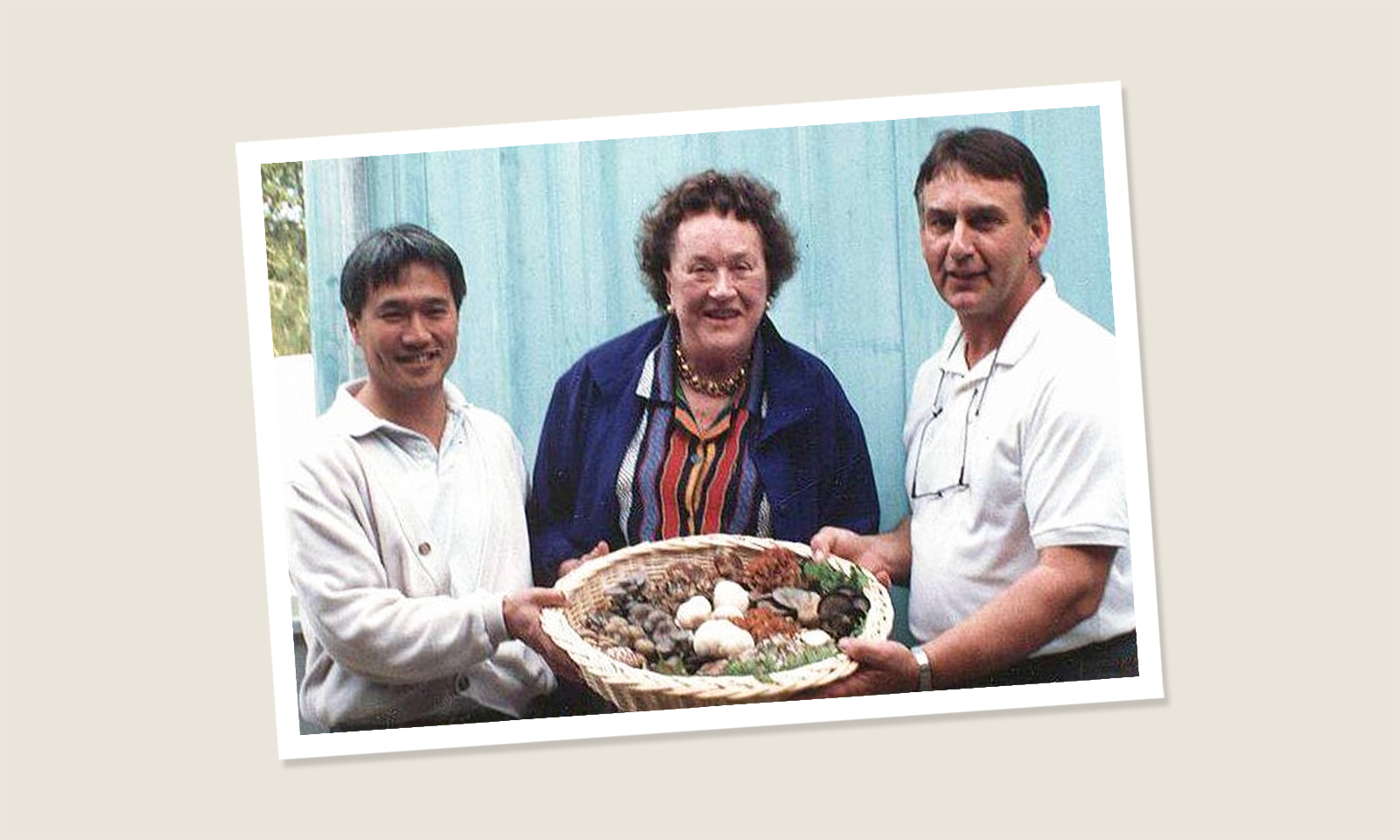
As interest in fresh shiitake grew among chefs, the farm expanded its varieties. In 1981, they successfully cultivated a wild mushroom they named Pompon Blanc (also known as Pom Pom), and other varieties followed.
The original facility worked, but it wasn’t efficient. In 2001, the company began construction on a bigger building in Sebastopol, Calif. The new space allowed them to transition to a more sustainable cultivation method using reusable glass bottles instead of disposable bags for certain varieties. The bottles can be sterilized and reused, reducing waste.

Their Sebastopol facility maintains ideal growing environments in climate-controlled grow rooms. Each variety requires specific conditions: particular humidity levels, temperatures, lighting, and air circulation. The substrate — the material mushrooms grow in — consists of oak-based sawdust and agricultural byproducts. After harvest, the spent substrate gets recycled into compost that local farmers and wineries use.
By 2005, Gourmet Mushrooms received organic certification from the USDA, and they continued to expand the varieties they grow.
Malcolm and David built a company around mushrooms that most folks in the U.S. had never heard of in 1977. They figured out how to grow them consistently and how to scale production without sacrificing quality. The abandoned farm in Sonoma County where they started became a foundry for turning wild forest mushrooms into a reliable crop.
How To Add Farm Stand Products to Your Delivery:
Full Circle members – head on over to our online Farm Stand Market to customize your upcoming delivery. Market is open from noon on Thursday until 6pm on your cutoff date. After you confirm your produce items, click the orange button “Confirm and Continue To Other Farm Products” to add farm products to your delivery.
Not part of our farm family? Find out if we deliver to your neighborhood.
Leave a Reply